
Optimal Timing for Tree Trimmings
Tree trimmings are essential for maintaining healthy and attractive trees. Proper timing ensures optimal growth, disease prevention, and safety. The best time for tree trimmings varies depending on the type of tree and local climate conditions.
Ideal for shaping trees and removing dead or damaged branches before new growth begins.
Used to thin out dense canopies and promote air circulation during active growth periods.
Suitable for removing weak or diseased branches after the growing season ends.
Best for dormant trees, reducing stress and minimizing disease risk.
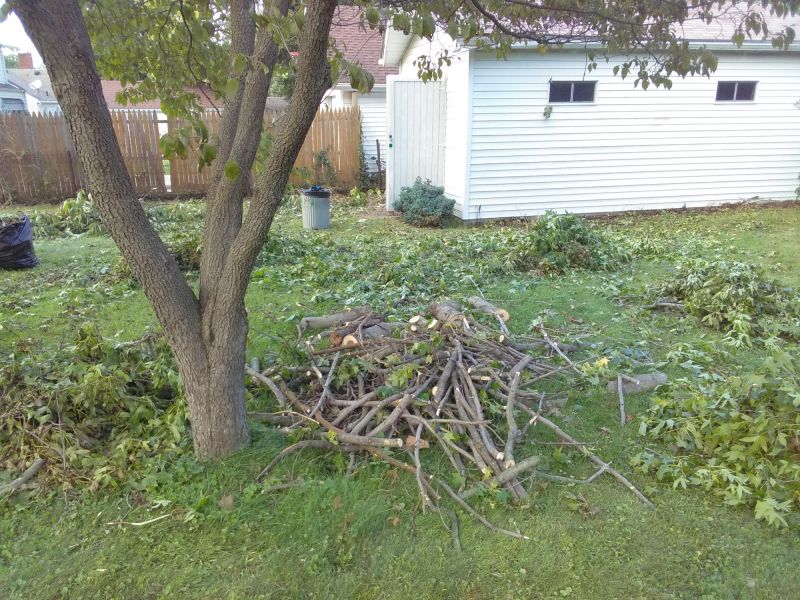
Ways to make Tree Trimmings work in tight or awkward layouts.
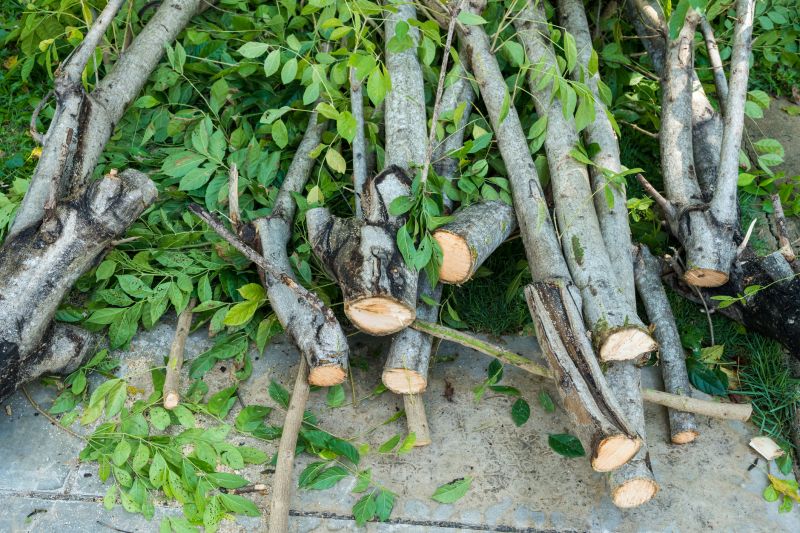
Popular materials for Tree Trimmings and why they hold up over time.
Simple add-ons that improve Tree Trimmings without blowing the budget.
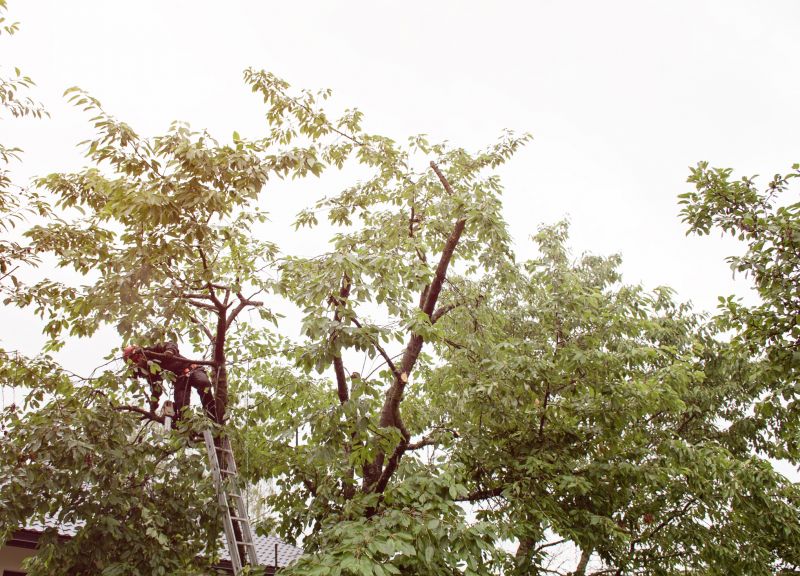
High-end options that actually feel worth it for Tree Trimmings.
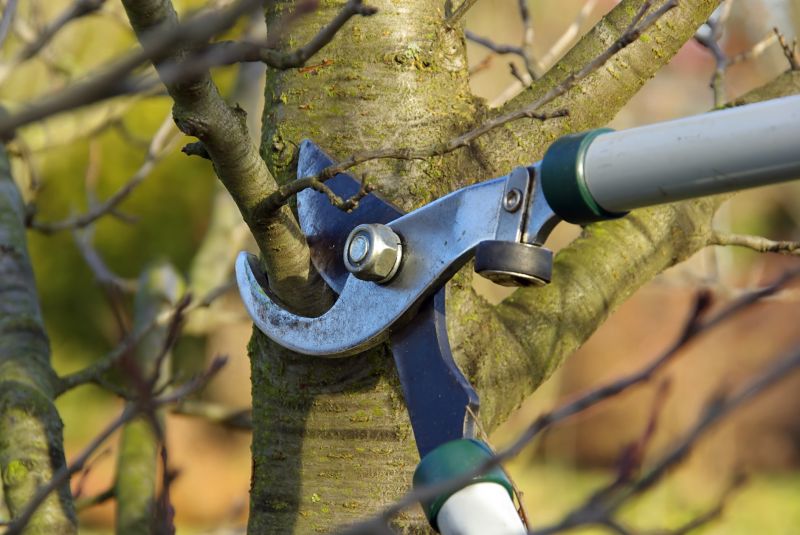
Finishes and colors that play nicely with Tree Trimmings.

Little measurements that prevent headaches on Tree Trimmings day.
| Tree Type | Optimal Trimming Time |
|---|---|
| Deciduous Trees | Late winter to early spring |
| Evergreen Trees | Late spring or early summer |
| Fruit Trees | Late winter before bud break |
| Shade Trees | Late winter or early spring |
| Ornamental Trees | Late winter or early spring |
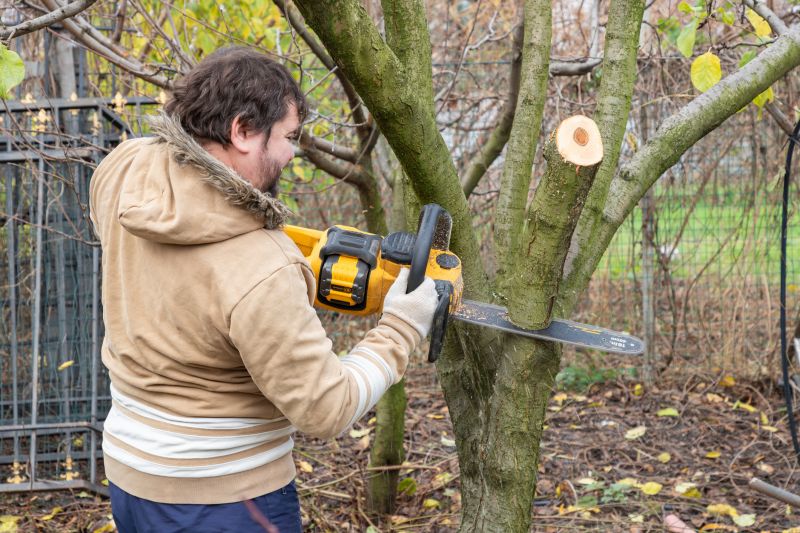
A 60-second routine that keeps Tree Trimmings looking new.
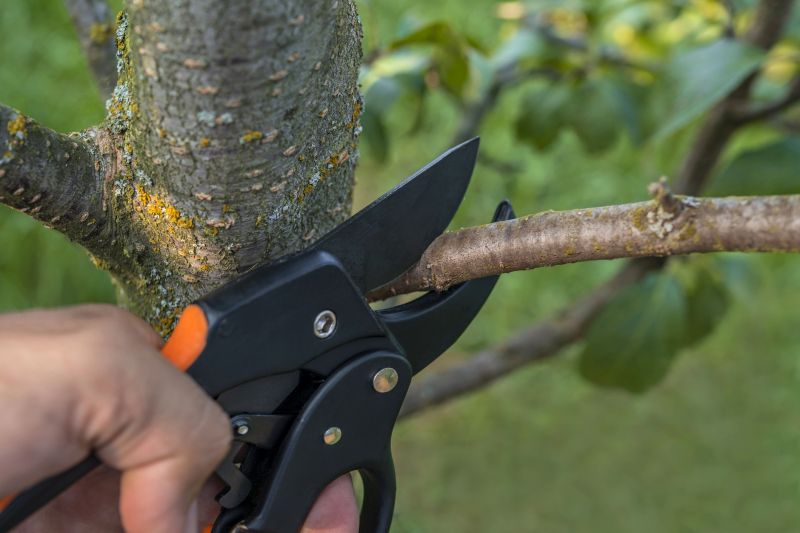
A frequent mistake in Tree Trimmings and how to dodge it.
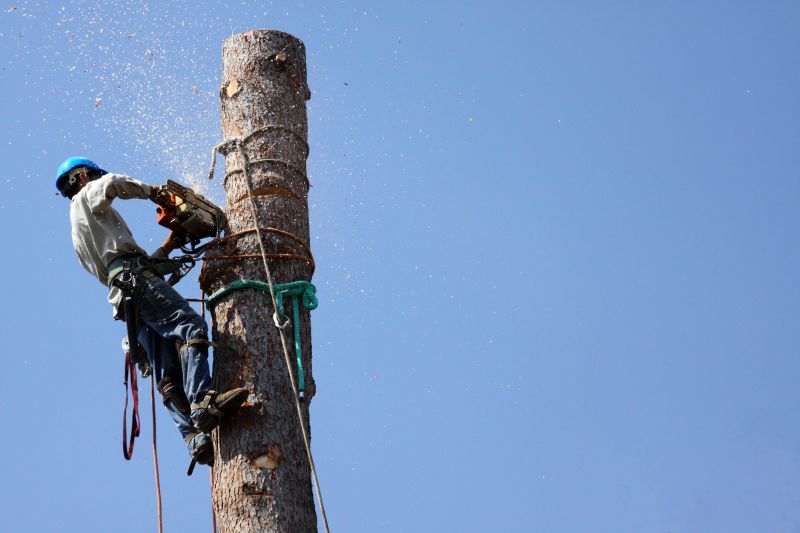
Small tweaks to make Tree Trimmings safer and easier to use.
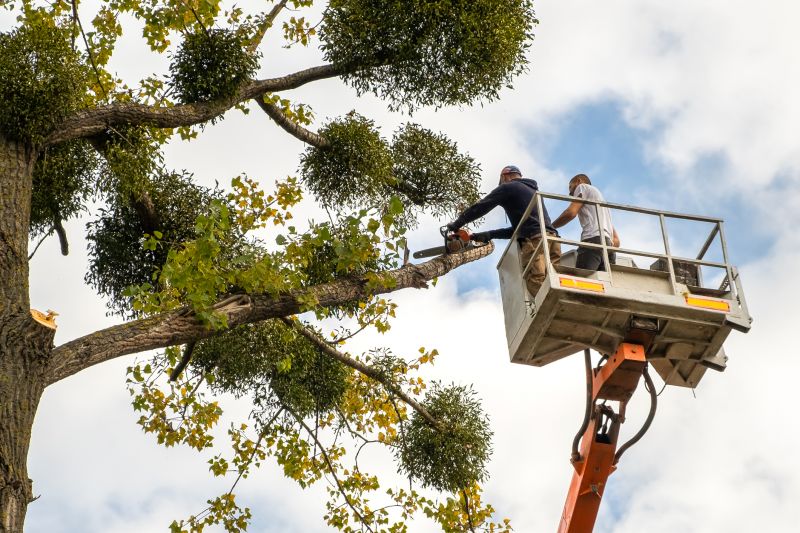
Lower-waste or water-saving choices for Tree Trimmings.
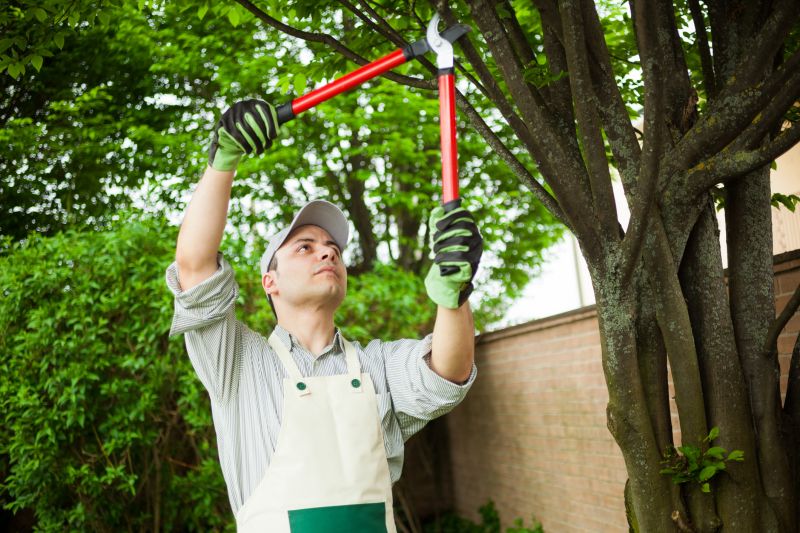
The short, realistic tool list for quality Tree Trimmings.
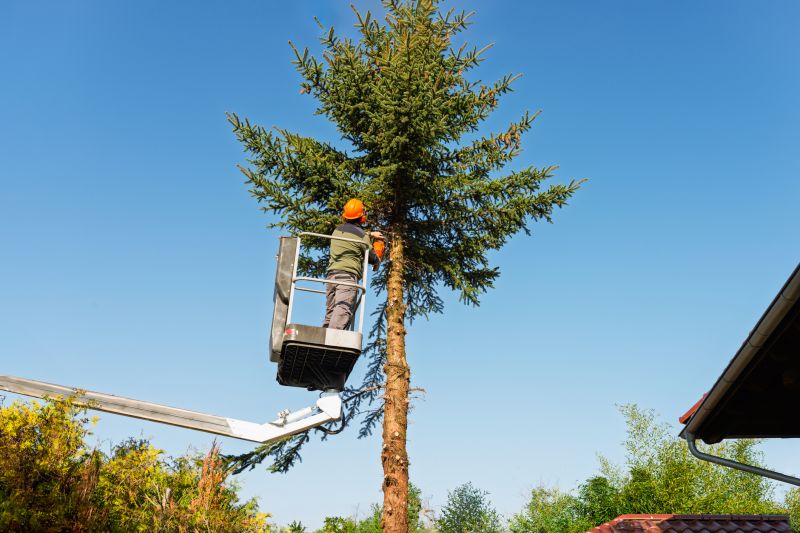
Rough timing from prep to clean-up for Tree Trimmings.
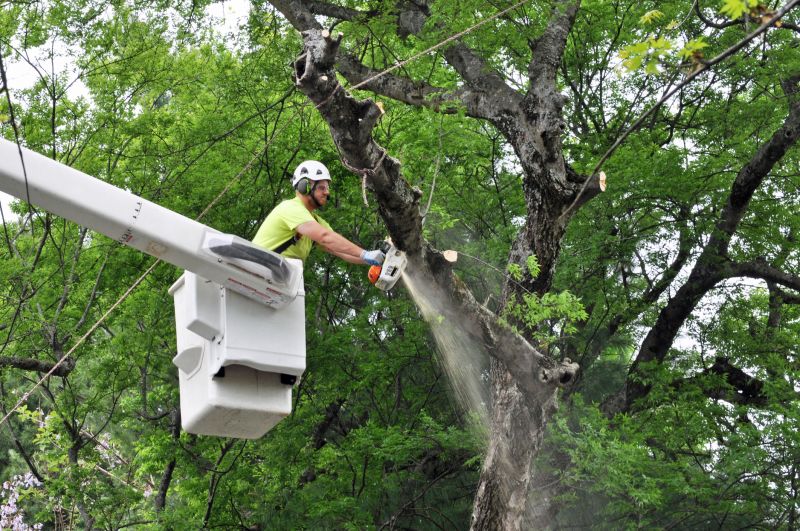
Quick checks and paperwork to keep after Tree Trimmings.
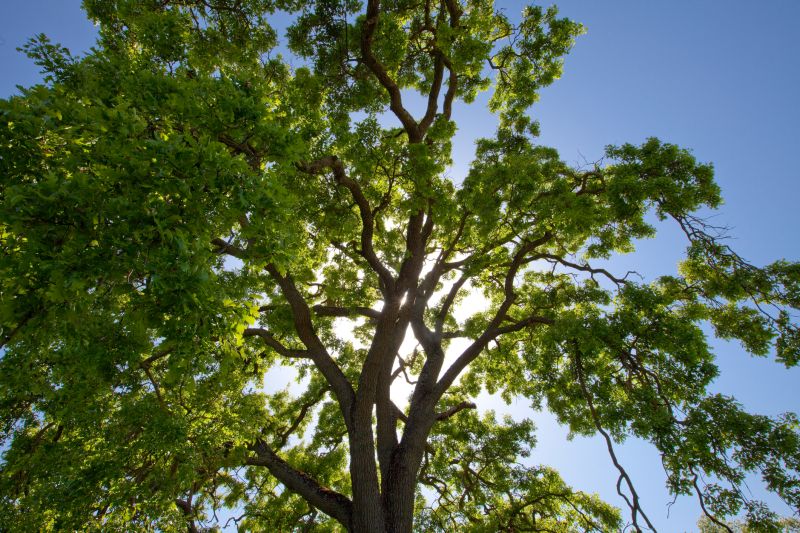
Examples that show the impact a good Tree Trimmings can make.
Interested in scheduling tree trimmings? Filling out the contact form can provide more information and help plan the best trimming schedule for specific trees and local conditions.